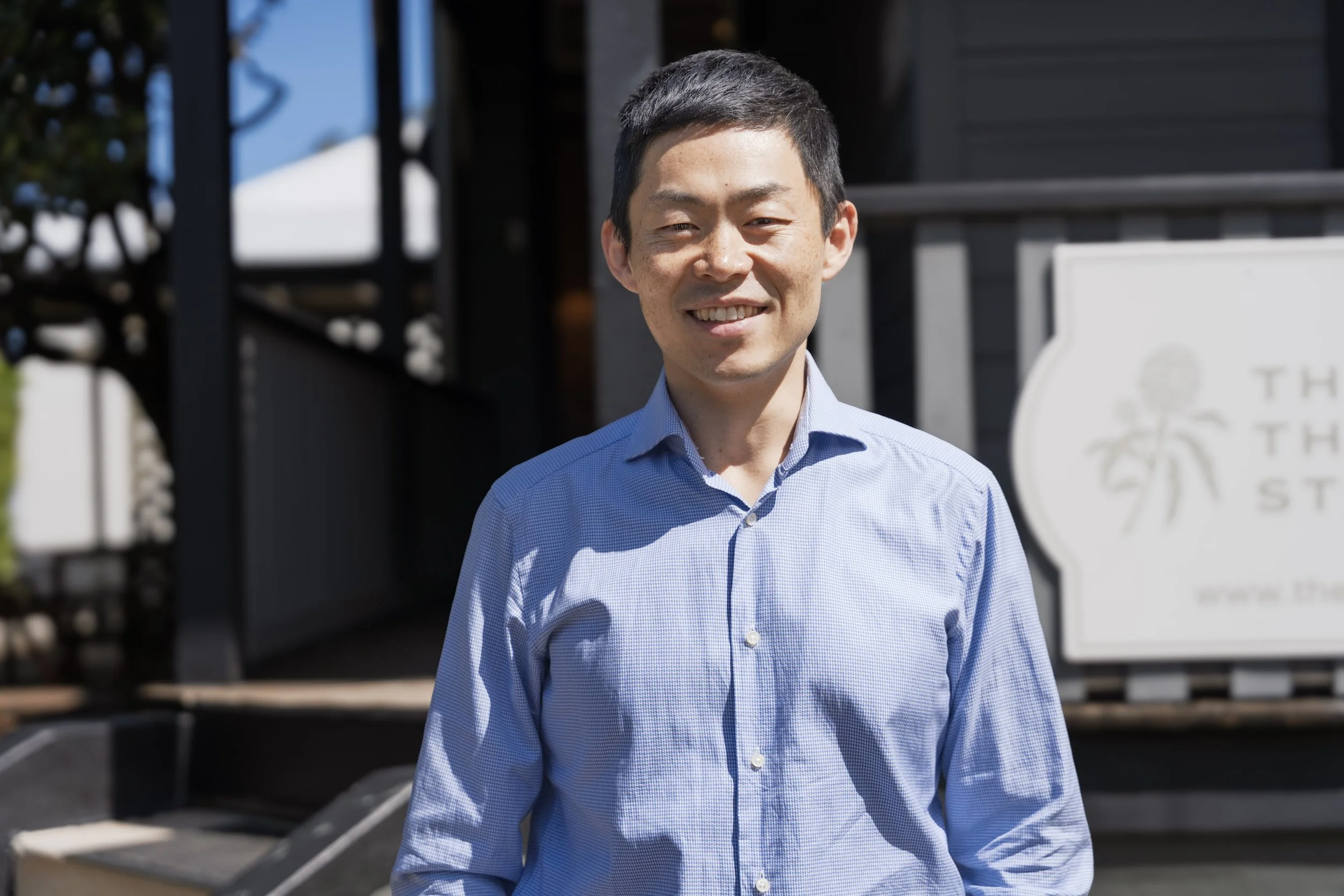
Meet James Li
Behaviour Support Practitioner
Q&A
Why were you drawn to studying Psychology?
I have always been curious about people, how we act and why we respond to experiences in different ways. According to my parents, I was always asking ‘why’ questions growing up and trying to understand why people behaved or did things in certain ways. Studying psychology gave me a framework for exploring those questions more deeply. I became particularly interested in how our relationships, families, environments and life experiences shape our development and wellbeing. I have always been fascinated by people’s stories, including how adversity and significant relationships influence the way we understand ourselves and the world.
What do you enjoy about your work, and what are you interested in or fascinated by?
What I enjoy most is working alongside clients, participants, families and support teams and building meaningful relationships with them over time. I find it rewarding to help people make sense of their experiences, develop new skills and find practical ways to manage challenges in their lives. I am particularly interested in how relationships and broader systems influence a person’s wellbeing. I take time to understand the family, support network and environment around someone, and how these interact with their experiences and needs. As someone early in my career, I learn a great deal from the people I work with, and their perspectives continue to shape my understanding and practice.
What drives you to show up for yourself and your clients in this role?
Through many years in disability support and related roles, I have seen the pressures individuals and families can experience when disability, mental health concerns and broader challenges overlap. This includes the demands of navigating services and systems such as the NDIS while managing everyday life. I’m motivated by working with people to find strategies that make everyday life a little easier and fit around everything else they are managing. I also just find people really interesting and enjoy hearing their stories, understanding how they see things and having my own assumptions challenged. That interest keeps me asking questions and wanting to get better at what I do.
What have people said about your approach to this work?
People have described me as a good listener who takes time to understand a situation before drawing conclusions. I always try to start by understanding the world from the perspective of the person and family I am working with, and to support what matters to them. Families have commented on my ability to build strong rapport, particularly with adolescents and young people, and how this supports their engagement in therapy. They have also valued the time I take to understand the broader family and support network, which is central to my systemic approach. I have also been described as reliable, diligent and consistent, and I take the commitments I make seriously.
-
I have five years’ experience as a disability support worker and two years as a behaviour support practitioner. I also have one year’s experience as a provisional psychologist through my clinical psychology training.
-
Bachelor of Psychology (Honours), Macquarie University
Master of Clinical Psychology candidate, University of Technology Sydney (UTS)
AHPRA Registered Provisional psychologist
-
I draw on acceptance and commitment therapy (ACT), cognitive behavioural therapy (CBT), Positive Behaviour Support and approaches to emotional regulation informed by polyvagal theory.